
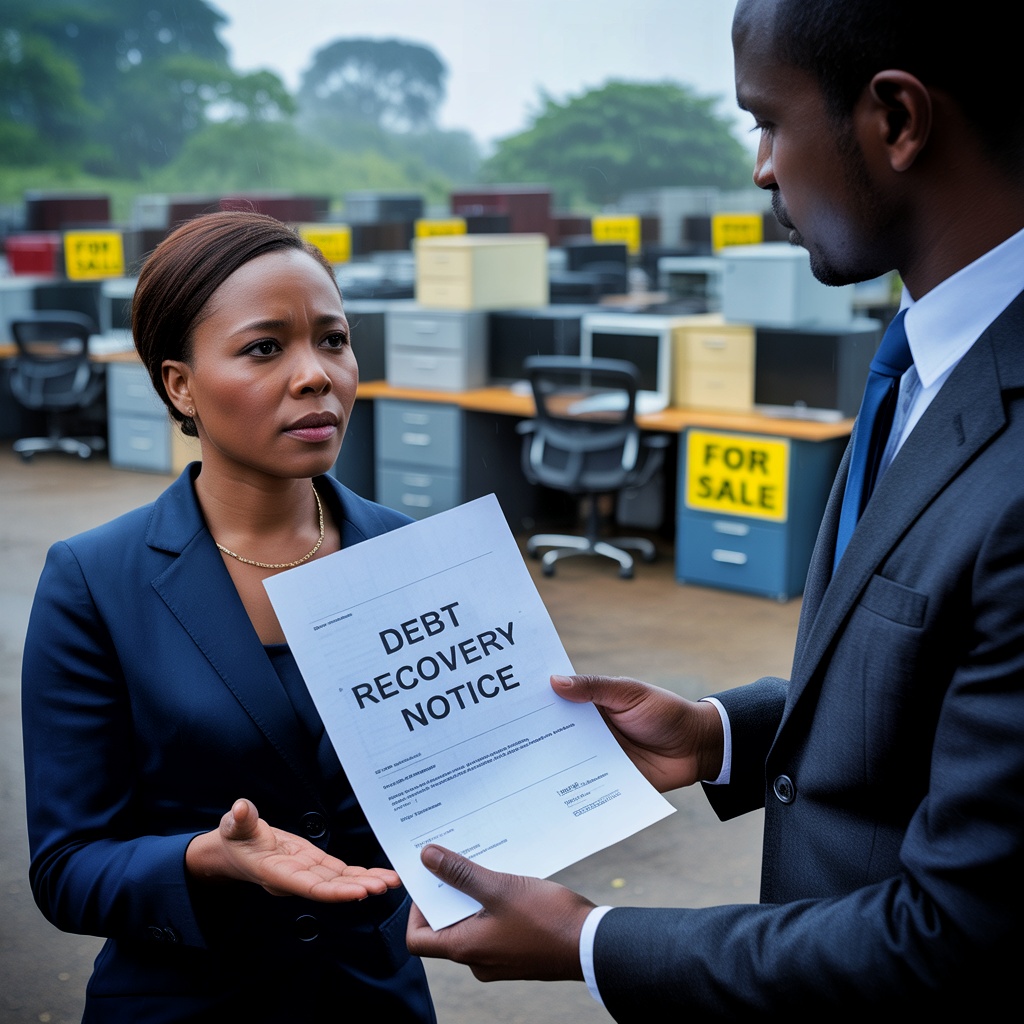
Debt recovery in Kenya is not only about pursuing what is due; it is about creating a clear, legally compliant pathway from default to payment. For businesses, this process combines preparation, proportionate action, and the right choice of enforcement tools. When managed effectively, even long-outstanding debts can be recovered, whether through quick settlements, court enforcement, or insolvency proceedings. The key is to act with both speed and strategy.
1. Building the Foundation Before a Debt Arises
The best debt recovery strategy begins long before any default occurs. Legally enforceable debts must be based on clear, written agreements that detail the amount owed, payment terms, interest rates, penalties, and security.
Where security is offered, registration is essential. For movable assets, the Movable Property Security Rights Act, 2017 allows creditors to register charges with the national collateral registry, securing priority in recovery. For land and real estate, registered charges, caveats, or restrictions ensure your interest is protected until the debt is paid.
Equally important is record-keeping. Maintain contracts, invoices, delivery notes, payment receipts, and all communication. This evidence strengthens your case in court and shortens recovery timelines. Businesses should also watch limitation periods—under the Limitation of Actions Act, Cap 22, most contractual debts expire after six years.
2. Acting Quickly with Pre-Action Measures
Once a payment is overdue, prompt but fair action improves recovery chances. The first legal step is usually a formal demand letter, giving the debtor 7–21 days to pay and stating the consequences of default. Keep proof of delivery—courts value evidence of reasonable opportunity to pay.

Where security exists, take early steps to perfect or enforce it. This can include lodging a caveat on land or repossessing secured movable assets. Creditors may also propose structured payment plans at this stage, documenting all offers and refusals. These records can later influence court cost decisions in your favour.
3. Choosing the Right Legal Route
Kenya’s legal framework offers multiple paths to judgment, each with its own advantages:
- Small Claims Court – For debts up to KES 1 million, this court delivers judgments within 60 days, using simplified procedures and minimal costs.
- Summary Judgment – Under the Civil Procedure Rules, creditors can skip a full trial if the debt is undisputed and for a fixed sum.
- Ordinary Suits – Where disputes exist, cases proceed to a full hearing. Proper case management still helps control costs and timelines.
- Contractual Dispute Resolution – Some agreements require arbitration or tribunal hearings instead of court proceedings.
4. Turning Judgments into Actual Recovery
Winning in court is only part of the process—execution is where the money is actually collected. Common methods include:
- Attachment and Sale of Property – Under Order 22 of the Civil Procedure Rules, assets can be seized and auctioned.
- Garnishee Proceedings – Order 23 allows creditors to collect directly from funds owed to the debtor by third parties (often banks).
- Civil Jail – Permitted under Section 38 of the Civil Procedure Act, but only if the debtor has the means to pay and wilfully refuses.
- Government Debtors – Special rules under the Government Proceedings Act require certificates of order against the government; direct execution is not allowed.
5. Insolvency and Bankruptcy as Strategic Leverage
For stubborn or high-value debts, insolvency proceedings can create strong pressure. Under Section 384 of the Insolvency Act, 2015, a company that fails to pay a statutory demand of at least KES 100,000 within 21 days is presumed unable to pay. Creditors can petition for:
- Liquidation – Selling off assets to pay creditors.
- Administration – Attempting a business rescue while protecting assets from creditors.
For individuals, bankruptcy proceedings can place their property under the control of a trustee or the Official Receiver, stopping asset transfers and ensuring fair distribution.
6. Understanding Challenges and Legal Limits
Debt recovery, while effective, has constraints. Limitation periods are strict, and missing them means losing the claim entirely. Recovery from government entities can be slow. Civil jail is limited by constitutional protections and is rarely applied. Some debtors may be asset-poor, making enforcement uneconomical. Businesses must weigh potential returns against costs before committing to lengthy proceedings.
7. Confidence Through Structure
The Kenyan legal system offers structured, enforceable routes to recovery. By drafting solid agreements, acting quickly when debts go unpaid, and choosing the right enforcement method—whether Small Claims Court for speed, insolvency for leverage, or civil execution for certainty—businesses can recover what they are owed while reinforcing trust and discipline in their operations.