
Tag: Small Claims Court Kenya

  • Small Claims Court in Kenya: When to File, Rent Disputes & Appeal Rights

    Small Claims Court in Kenya: When to File, Rent Disputes & Appeal Rights

    A Practical Guide to Kenya’s Small Claims Court: Claims, Rent Disputes & Appeals

    If you’re dealing with a simple financial dispute — unpaid work, a withheld deposit, faulty goods, or minor damage — Kenya’s Small Claims Court (SCC) is often the fastest, cheapest option. This guide explains what you can file, what you can’t, how rent issues are currently treated, and where appeals go. It’s written for both claimants and respondents in plain language so you can act confidently.

    What is the Small Claims Court?

    The Small Claims Court was created by the Small Claims Court Act, 2016 to provide an informal, low-cost forum for many everyday civil and commercial disputes. It aims for speed (cases are expected to move quickly), simplified procedure (relaxed rules of evidence), and accessibility (low fees, self-representation is allowed).

    What the SCC commonly hears

    The SCC handles a range of money-related disputes provided they fall within its statutory scope and monetary limit. Typical examples include:

    • Contract claims — unpaid services, breach of a small contract, defective goods.
    • Money held or received — security deposits, mistaken payments, advances not returned.
    • Tort claims for damage to movable property — compensation for damaged items.
    • Recovery of movable property — return of tools, electronics, or other personal property.
    • Small personal injury claims — minor injuries where the damages fall within the SCC limit.
    • Set-offs and counterclaims arising from the same contract or transaction.

    Under current practice, the usual pecuniary limit is KSh 1,000,000 (one million), subject to change by judicial notice.

    What the SCC won’t usually hear — rent and landlord-tenant matters

    Rent disputes are one of the trickiest areas. Recent High Court decisions have clarified that many rent-related claims do not fall within the SCC’s jurisdiction.

    Key points from recent case law:

    • Where a claim is essentially about rent arrears or other landlord-tenant rights, the SCC will often be held to lack jurisdiction. See the High Court rulings clarifying that landlord-tenant disputes are governed by landlord–tenant law and, depending on the issue, are more appropriately handled in specialized forums or the Environment & Land Court. Refer to the High Court decision linked here for the deposit/rent clarification: Muhanda v LP Holdings Ltd (2025).
    • Another High Court decision held that pure rent arrears and eviction-related claims fall outside SCC’s remit. See: Cheruiyot v Kikaya (2025).
    • That said, claims framed as money held or received (for example, a deposit wrongly retained) may be suitable for SCC if they can be clearly shown to be contractual money disputes rather than core landlord-tenant issues.

    Small Claims Rent

    Practical takeaway: if your dispute is about unpaid rent or eviction, don’t assume SCC is the right court. If your case is only about a deposit or a contractually held sum, you may be able to bring it in SCC — but frame the claim carefully. When in doubt, check the High Court authorities and consider the Environment & Land Court or a rent tribunal for landlord-tenant matters.

    How to file a claim (simple steps)

    1. Prepare your Statement of Claim: Use the prescribed form (SCC-1 or the court’s equivalent), state what happened, the amount, and attach simple supporting documents — receipts, photos, messages, lease copy if relevant.
    2. File at the right registry: file where the event occurred or where the respondent lives/does business.
    3. Serve the respondent properly: follow the court’s service rules so the claim is valid.
    4. Mediation / ADR: SCC encourages settlement. Be ready to mediate before a full hearing.
    5. Hearing and judgment: hearings are summary and informal; adjudicators can admit evidence flexibly and often give prompt rulings.
    6. Enforcement: winning is not the same as collecting: be prepared to use enforcement tools if necessary (attachment, garnishee orders, installment plans).

    Rights of claimants and respondents

    Claimants have the right to access a low-cost forum, present evidence simply, request mediation, and obtain a written judgment. Respondents must receive proper notice, have an opportunity to respond or counterclaim, and are entitled to a fair hearing. Both sides can bring representatives, and both must follow the court’s basic procedural rules.

    Appeals — what you can challenge and where

    Appeals from SCC decisions are typically limited to points of law (for example, whether the SCC had jurisdiction or whether a legal principle was misapplied). If you believe the adjudicator made a legal error, you may appeal to the High Court. The High Court generally will not re-try factual findings — it reviews legal and jurisdictional errors.

    Common mistakes & practical tips

    • Don’t split a large claim into smaller ones just to fit SCC’s limit — courts can see through artifices.
    • Frame deposit claims as “money held” rather than a pure landlord-tenant dispute if you want SCC to consider them.
    • Gather simple, organized evidence — invoices, bank slips, photos, and messages make your claim clearer.
    • Use mediation seriously — it’s faster and cheap; SCC expects parties to try settlement.
    • Plan for enforcement — even with a favorable judgment, you may need follow-through to collect.

    Final note

    The Small Claims Court is a practical, accessible tool for many everyday disputes, but it has real limits — most notably around rent and landlord-tenant issues as clarified by recent High Court decisions. Always check the precise nature of your dispute, frame claims carefully, and be ready to use the correct forum where SCC is not the right fit.

    References

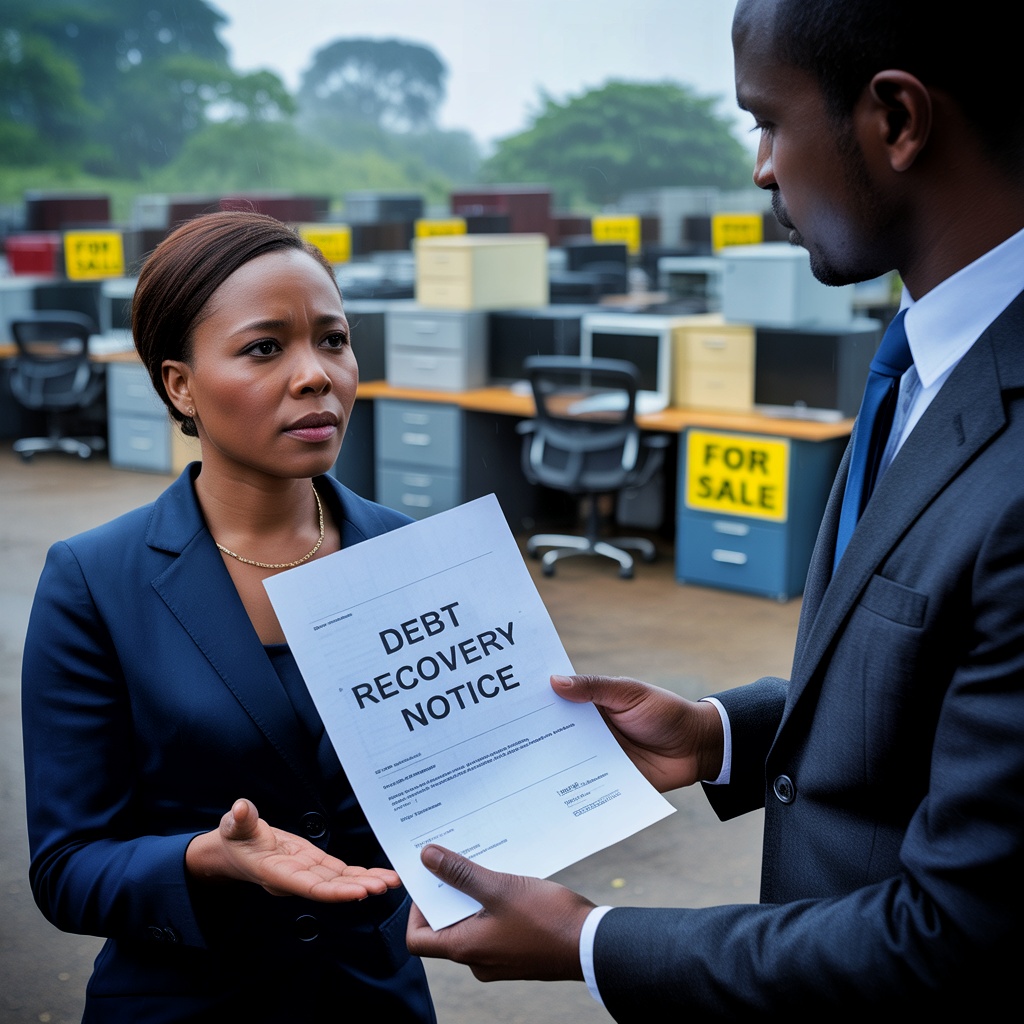
  • Debt Recovery in Kenya (2025): A Business Guide to Enforcing What’s Owed

    Debt Recovery in Kenya (2025): A Business Guide to Enforcing What’s Owed

    Debt recovery in Kenya is not only about pursuing what is due; it is about creating a clear, legally compliant pathway from default to payment. For businesses, this process combines preparation, proportionate action, and the right choice of enforcement tools. When managed effectively, even long-outstanding debts can be recovered, whether through quick settlements, court enforcement, or insolvency proceedings. The key is to act with both speed and strategy.

    1. Building the Foundation Before a Debt Arises

    The best debt recovery strategy begins long before any default occurs. Legally enforceable debts must be based on clear, written agreements that detail the amount owed, payment terms, interest rates, penalties, and security.

    Where security is offered, registration is essential. For movable assets, the Movable Property Security Rights Act, 2017 allows creditors to register charges with the national collateral registry, securing priority in recovery. For land and real estate, registered charges, caveats, or restrictions ensure your interest is protected until the debt is paid.

    Equally important is record-keeping. Maintain contracts, invoices, delivery notes, payment receipts, and all communication. This evidence strengthens your case in court and shortens recovery timelines. Businesses should also watch limitation periods—under the Limitation of Actions Act, Cap 22, most contractual debts expire after six years.

    2. Acting Quickly with Pre-Action Measures

    Once a payment is overdue, prompt but fair action improves recovery chances. The first legal step is usually a formal demand letter, giving the debtor 7–21 days to pay and stating the consequences of default. Keep proof of delivery—courts value evidence of reasonable opportunity to pay.

    Debt Recovery - Demand Letter

    Where security exists, take early steps to perfect or enforce it. This can include lodging a caveat on land or repossessing secured movable assets. Creditors may also propose structured payment plans at this stage, documenting all offers and refusals. These records can later influence court cost decisions in your favour.

    3. Choosing the Right Legal Route

    Kenya’s legal framework offers multiple paths to judgment, each with its own advantages:

    • Small Claims Court – For debts up to KES 1 million, this court delivers judgments within 60 days, using simplified procedures and minimal costs.
    • Summary Judgment – Under the Civil Procedure Rules, creditors can skip a full trial if the debt is undisputed and for a fixed sum.
    • Ordinary Suits – Where disputes exist, cases proceed to a full hearing. Proper case management still helps control costs and timelines.
    • Contractual Dispute Resolution – Some agreements require arbitration or tribunal hearings instead of court proceedings.

    4. Turning Judgments into Actual Recovery

    Winning in court is only part of the process—execution is where the money is actually collected. Common methods include:

    • Attachment and Sale of Property – Under Order 22 of the Civil Procedure Rules, assets can be seized and auctioned.
    • Garnishee Proceedings – Order 23 allows creditors to collect directly from funds owed to the debtor by third parties (often banks).
    • Civil Jail – Permitted under Section 38 of the Civil Procedure Act, but only if the debtor has the means to pay and wilfully refuses.
    • Government Debtors – Special rules under the Government Proceedings Act require certificates of order against the government; direct execution is not allowed.

    5. Insolvency and Bankruptcy as Strategic Leverage

    For stubborn or high-value debts, insolvency proceedings can create strong pressure. Under Section 384 of the Insolvency Act, 2015, a company that fails to pay a statutory demand of at least KES 100,000 within 21 days is presumed unable to pay. Creditors can petition for:

    • Liquidation – Selling off assets to pay creditors.
    • Administration – Attempting a business rescue while protecting assets from creditors.

    For individuals, bankruptcy proceedings can place their property under the control of a trustee or the Official Receiver, stopping asset transfers and ensuring fair distribution.

    6. Understanding Challenges and Legal Limits

    Debt recovery, while effective, has constraints. Limitation periods are strict, and missing them means losing the claim entirely. Recovery from government entities can be slow. Civil jail is limited by constitutional protections and is rarely applied. Some debtors may be asset-poor, making enforcement uneconomical. Businesses must weigh potential returns against costs before committing to lengthy proceedings.

    7. Confidence Through Structure

    The Kenyan legal system offers structured, enforceable routes to recovery. By drafting solid agreements, acting quickly when debts go unpaid, and choosing the right enforcement method—whether Small Claims Court for speed, insolvency for leverage, or civil execution for certainty—businesses can recover what they are owed while reinforcing trust and discipline in their operations.