
Green card search Kenya: why a clean result isn’t the final word
A buyer finds land. The price is fair. A green card search Kenya buyers rely on comes back clean at the lands registry — everything checks out. Months later, another buyer appears. The land had already been transferred; the green card had been altered. This isn’t theory. Kenyan courts have repeatedly dealt with disputes where buyers relied on official searches and still lost their land.
What Is a Green Card in Kenyan Land Law?
A green card is the official land register maintained under the land registration system. It records the registered owner, the history of ownership transfers, and any loans, cautions, or restrictions on the parcel — it’s the document an official search is generated from. The problem is that this record itself can be manipulated. Courts have dealt with cases where fraudsters removed original entries and replaced them with fabricated ones, meaning a search can accurately reflect a register that has already been compromised.
The Real Legal Reason a Green Card Search Kenya Buyers Trust Isn’t Final
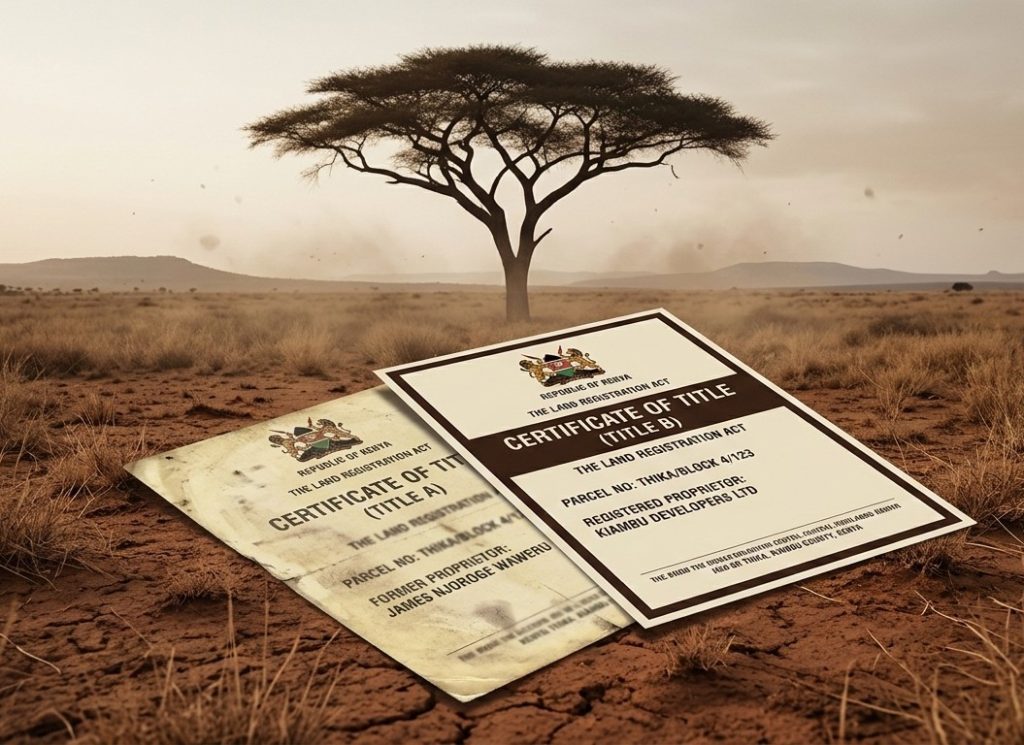
Here’s the part most guides skip: under Section 26(1) of the Land Registration Act, 2012, a certificate of title is treated as prima facie — not absolutely conclusive — evidence that the registered person is the owner. That protection has exactly two statutory cracks: the title can still be challenged where it was obtained through fraud or misrepresentation the holder was party to, or where it was acquired illegally, unprocedurally, or through a corrupt scheme. Section 80 of the same Act then gives courts the power to rectify the register — including cancelling a title outright — where one of those grounds is proven.
This isn’t a theoretical reading of the law. In Dina Management Limited v County Government of Mombasa & 5 Others [2023] KESC 30 (KLR), the Supreme Court held that even a buyer acting in good faith cannot rely on a title that traces back to an irregular or illegal allocation. A registry search tells you what the register currently says — it does not, by itself, prove the chain of title behind that entry is clean.
How to Conduct a Green Card Search (Ardhisasa Process)
Today, most searches are done through the Ardhisasa platform:
- 1Create an account on Ardhisasa.
- 2Search using the title or parcel number.
- 3Pay the official search fee (approximately KES 500).
- 4Download the search results. Physical searches remain possible at the relevant land registry where digitisation is incomplete.
What a Search Actually Tells You — and Where It Stops
A proper search confirms the current registered owner, whether the land is charged to a bank, and any cautions or disputes on file. That’s useful, but it has real limits: it does not confirm whether the underlying records are genuine, whether previous transactions in the chain were lawful, or whether documents are missing from the parcel file entirely. Buyers have conducted searches showing a seemingly valid owner, only for the title to later be found fraudulent because supporting documentation was missing from the registry — the kind of gap a routine search doesn’t surface.
When the System Itself Is Compromised
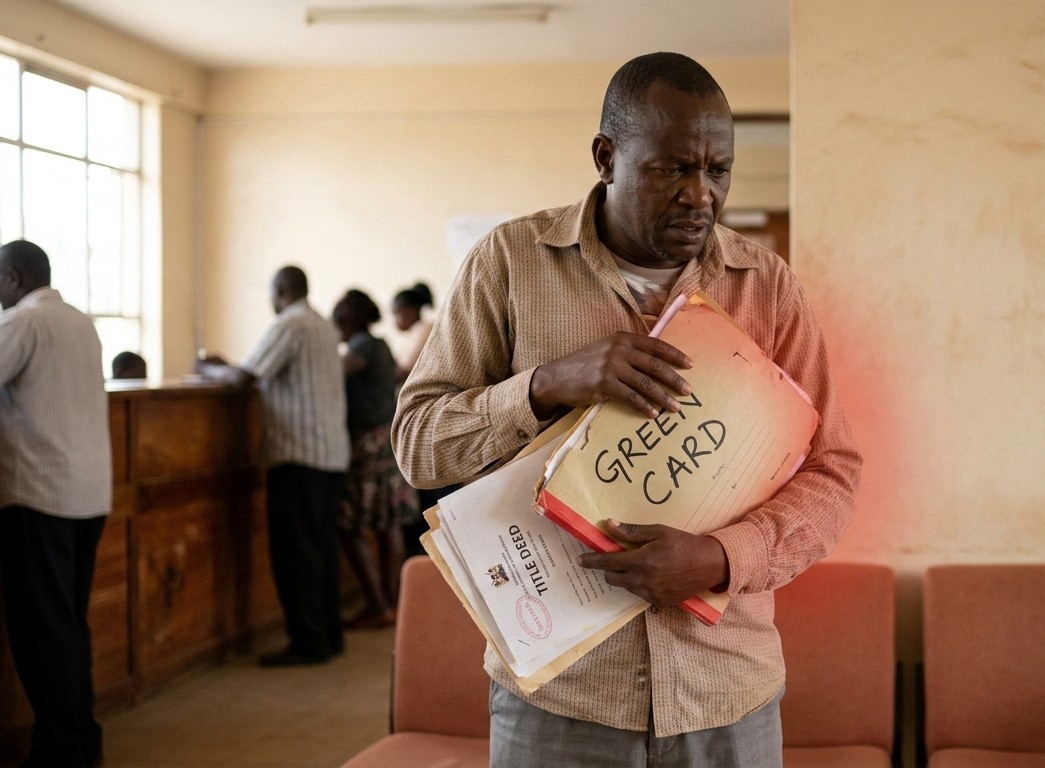
Kenyan courts have described, in practice, how registry-level fraud tends to work: original entries removed, replacement records substituted, and official searches generated that show the fraudster as the registered owner. A buyer conducting a search in good faith can unknowingly rely on records that have already been falsified upstream. This is exactly the gap Section 26(1)’s fraud exception and Section 80’s rectification power exist to address after the fact — but by then, a buyer is already fighting to recover money rather than simply completing a purchase.
How to Truly Protect Yourself Before Buying Land
To reduce this risk, due diligence needs to go beyond a single search:
- Inspect the full parcel file at the registry, not just the search summary.
- Verify the chain of ownership, not only the current entry.
- Confirm Land Control Board consent where the land is agricultural.
- Check for missing documents or irregular entries in the file.
- Conduct a physical site visit.
- Engage a lawyer to review the transaction before any money changes hands.
We go beyond the search itself — verifying the chain of title, checking for irregularities, and structuring the transaction to protect your payment.
The Role of a Lawyer in Land Transactions
A lawyer does more than run a search. They verify the authenticity of documents, identify red flags in the register that a routine search won’t surface, structure the transaction safely, and help protect your payment through proper agreements. That’s the practical difference between a routine purchase and a genuinely protected investment.
Frequently Asked Questions
Does a clean green card search guarantee I’m buying real land?
No. A search only tells you what’s currently on record. Under Section 26(1) of the Land Registration Act, a certificate of title is prima facie — not absolutely conclusive — evidence of ownership, and can still be challenged on grounds of fraud, misrepresentation, or illegal acquisition.
Can a title deed be cancelled even after a clean search?
Yes. Section 80 of the Land Registration Act gives courts power to rectify the register, including cancelling a title, where it was obtained through fraud, mistake, or illegal means. The Supreme Court affirmed this in Dina Management Limited v County Government of Mombasa & 5 Others [2023] KESC 30 (KLR), holding that even a genuine buyer cannot rely on a title traced back to an irregular allocation.
How do I conduct a green card search in Kenya?
Most searches are now done via Ardhisasa: create an account, search using the title or parcel number, pay the official search fee (approximately KES 500), and download the results. Physical searches remain possible at the relevant land registry where digitisation is incomplete.
What should I check beyond the search itself?
Inspect the full parcel file at the registry, verify the chain of ownership, confirm Land Control Board consent where applicable, check for missing or irregular entries, conduct a physical site visit, and have a lawyer review the transaction before you pay.
Buying land is not just a transaction — it’s a major financial decision, often the largest one a family makes. A green card search Kenya buyers lean on is only one step in protecting that decision, not the final safeguard. The legal framework exists to correct fraud after the fact; the goal of proper due diligence is to never need it.
Committing to a land purchase soon?
Job Kerry Ngeresa & Co. Advocates helps buyers across Thika and the Mt. Kenya region verify, protect, and secure their land ownership before money changes hands.
Leave a Reply